Is my fire door compliant?
A visual check can reveal obvious warning signs, but a structured inspection is the right route when you need evidence and remedial recommendations.
A fire door may need attention if it is damaged, altered, unable to close fully or missing key components.
No web page can certify a specific door without inspecting it. The signs below help you decide whether to arrange a professional inspection.
A fire door works as a complete set: door leaf, frame, seals, glazing, ironmongery and closer all matter. A single defect can reduce performance or create uncertainty for the responsible person.
Common signs a fire door may not be compliant.
If any of these are present, a structured inspection can help decide what happens next.
Excessive gaps
Gaps that are too large can compromise the door's ability to restrict fire and smoke spread.
Closer failure
The door should close fully into the frame without needing to be pushed or pulled.
Damaged seals
Painted-over, missing, loose or damaged strips and seals should be reviewed.
Unsuitable alterations
New locks, letterboxes, access control or vision panels can affect door performance if not suitable.
Glazing defects
Cracked glass, damaged beading or uncertain glazing specification may require further action.
Wedging or misuse
Fire doors propped open without suitable hold-open arrangements should be addressed.
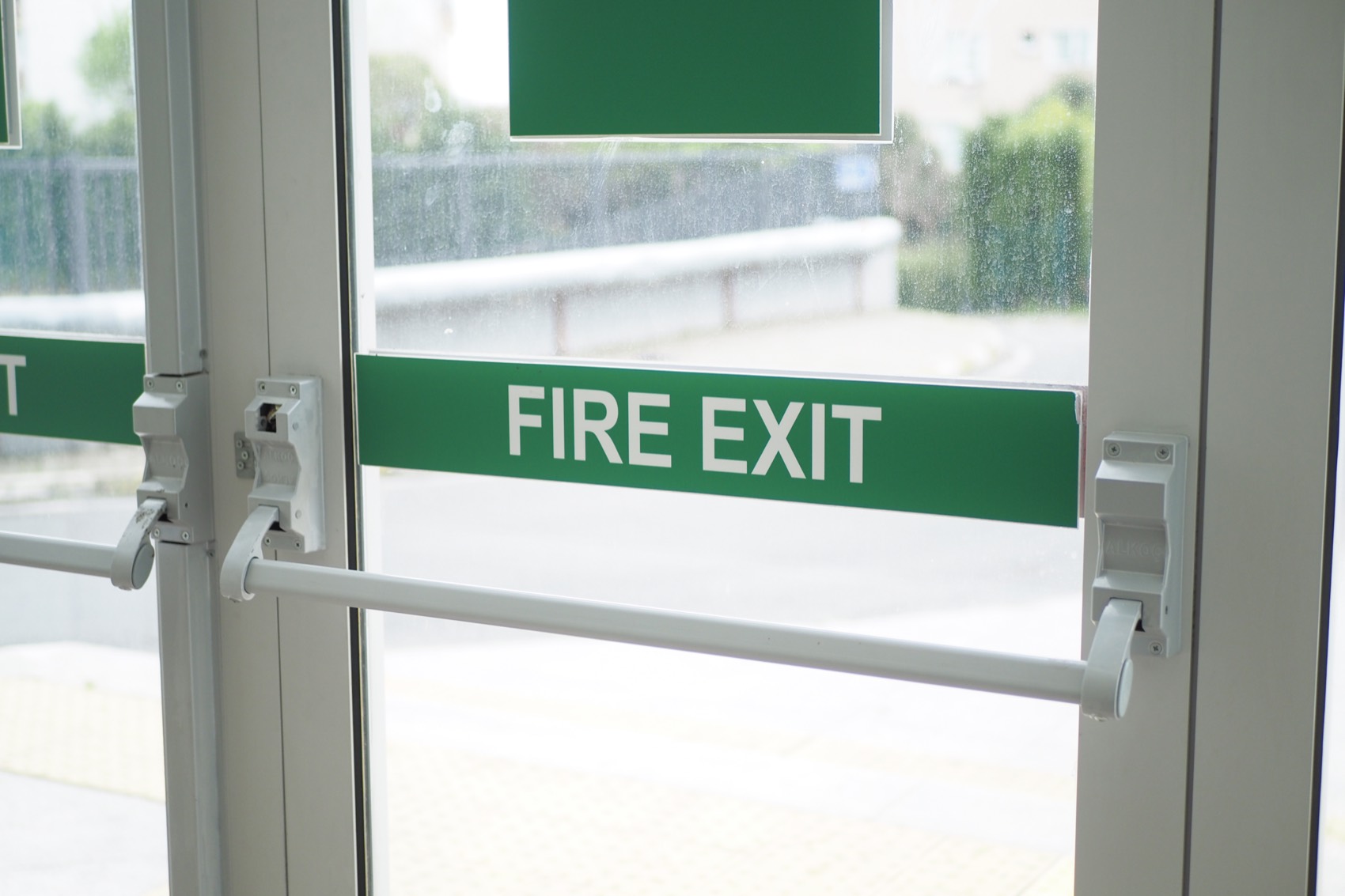
What to do if you suspect a problem.
- Record the door location and visible issue.
- Stop obvious misuse, such as wedging open, where safe to do so.
- Arrange a competent inspection if the issue could affect fire performance.
- Prioritise remedial work and keep evidence of actions taken.